

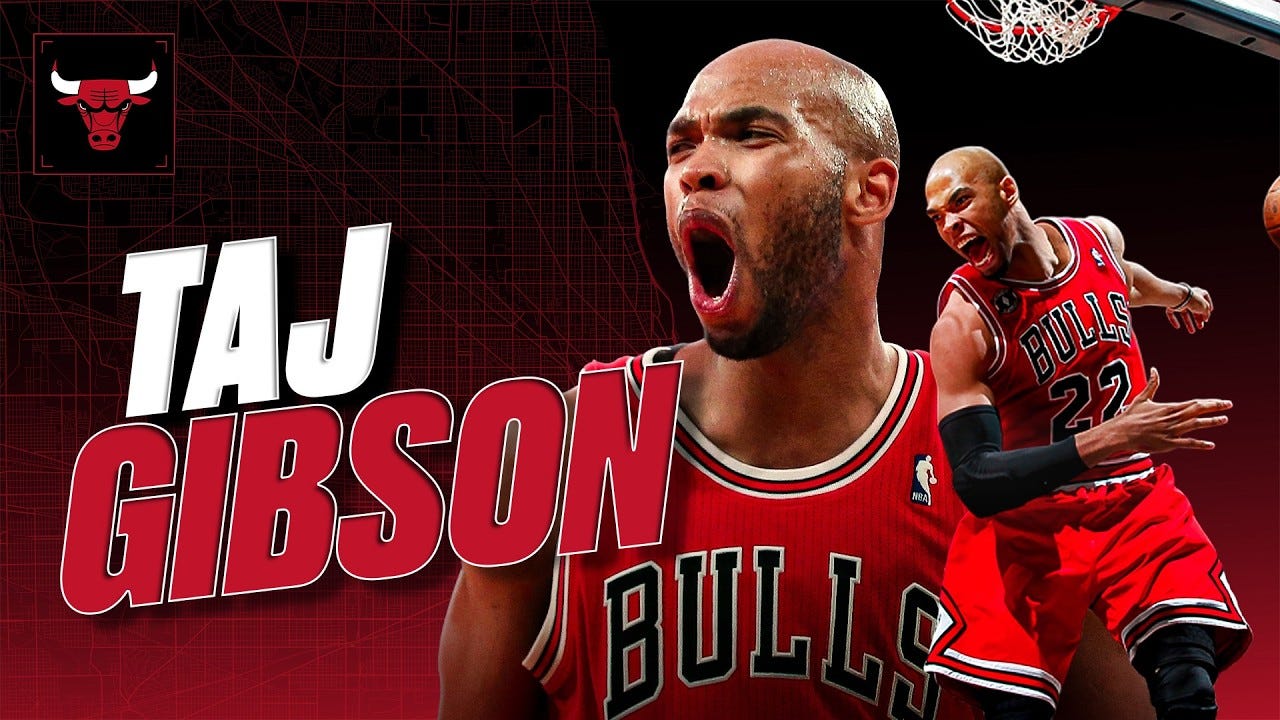
Taj Gibson is retiring from the NBA, but for Chicago Bulls fans, this does not really feel like goodbye. It feels more like one of the franchise’s most respected players has finally come home.
After 17 seasons and 1,012 regular-season games, Gibson is moving directly into coaching as an assistant on new head coach Tiago Splitter’s staff. His playing days are over, but his relationship with the Bulls is beginning a meaningful new chapter.
There is something fitting about Gibson starting his coaching career in the same city where his NBA career began. The Bulls selected him with the 26th pick in the 2009 draft, and he immediately looked like he belonged. Gibson played all 82 games as a rookie, started 70 and averaged 9.0 points and 7.5 rebounds. He led all rookies in rebounding and field-goal percentage, ranked second in blocks and earned NBA All-Rookie First Team honors.
Those numbers explain only part of why Chicago connected with him. Gibson played with an edge Bulls fans have always appreciated. He defended, rebounded, challenged shots and embraced the hard work that rarely receives much attention. He did not need the offense to run through him or expect to be treated like a star. He simply looked for ways to help his team win.
That attitude made Gibson an ideal piece during the rise of the Derrick Rose-era Bulls. When Carlos Boozer arrived, Gibson accepted a move to the bench and became part of the Bench Mob with Kyle Korver, Ronnie Brewer, C.J. Watson and Omer Asik. That group gave Tom Thibodeau dependable defense, energy and toughness, helping Chicago maintain pressure while its starters rested and survive injuries to key players.
Gibson was never the biggest name on those teams. Rose was the hometown MVP, Joakim Noah was the emotional engine and Luol Deng was the dependable two-way veteran.
Yet Gibson represented the identity of that group as well as anyone. He was physical without making everything about himself, productive without demanding recognition and ready whenever his number was called. In 2013-14, he averaged 13.0 points and 6.8 rebounds and finished second in Sixth Man of the Year voting.
That is what makes this move more interesting than a ceremonial reunion. Gibson spent nearly two decades learning how NBA teams function, how locker rooms change and how players handle adversity. During later stops around the league, his role increasingly included leadership and mentorship along with whatever minutes he could provide. He became the kind of veteran coaches trusted to support teammates, establish standards and keep everyone connected.
Now he can bring those lessons to a young Bulls roster. Players such as Matas Buzelis, Josh Giddey and rookie Caleb Wilson need more than instructions about spacing, rotations and defensive positioning.
They need someone who can explain how to prepare through an 82-game season, respond after a poor performance and remain valuable when a role changes. Gibson experienced all of it, giving his advice credibility that cannot be manufactured.
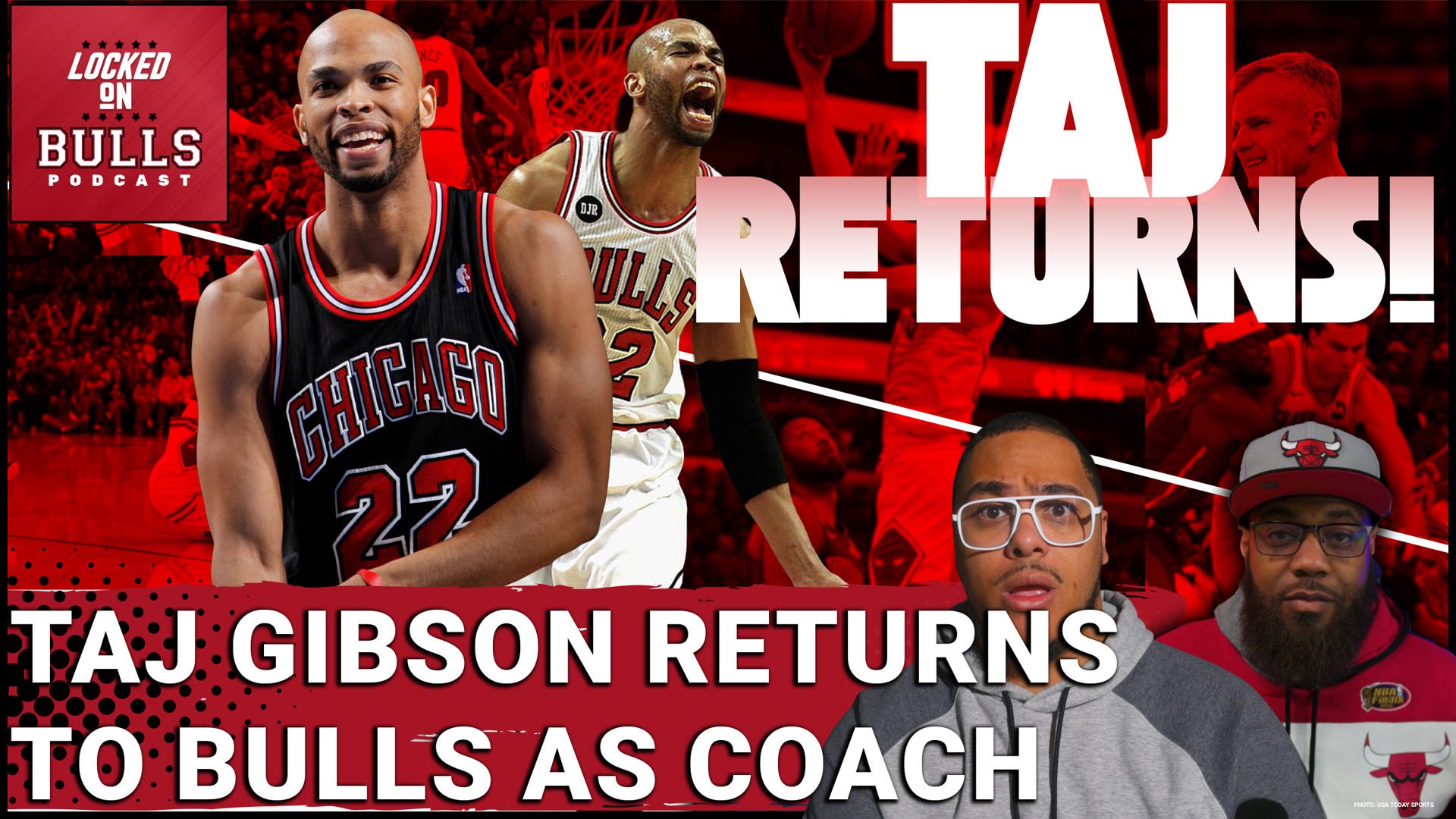
Many fans believe Michael Reinsdorf wanted Taj to be here specifically to help coach the younger players and assist in building a championship contender. The Bulls have not publicly described the hiring in exactly those terms, so that should be understood as a fan interpretation rather than a confirmed organizational statement. Still, it is easy to understand why supporters see it that way. Reinsdorf, the Bulls’ president and CEO, has discussed building strong teams across the organization and making fans proud, and bringing back a trusted former Bull fits that larger vision.
Of course, hiring Gibson does not automatically make the Bulls contenders. Respected veterans do not always become successful coaches, and Gibson must learn the finer points of teaching, game planning and communicating from the bench.
Even so, Chicago feels like the right place for him to begin. Splitter is also starting a new chapter as the Bulls’ head coach, and Gibson can become a bridge between the franchise’s recent past and the team it hopes to build.
Here’s the thing, folks: There is also emotional value in the move. Gibson remained a Chicago favorite after the Bulls traded him to Oklahoma City in 2017, receiving warm reactions whenever he returned to the United Center. Fans remember the effort, putback dunks, blocked shots and professionalism. They remember that when those Bulls teams were at their best, Gibson was usually doing something difficult and necessary.
With that . . . His retirement closes an admirable playing career, but joining the coaching staff keeps his best qualities inside the organization. Chicago is not bringing Gibson back only to celebrate the past. The Bulls are giving him an opportunity to influence their future. If he can pass his toughness, preparation and unselfishness to a new generation, his second career in Chicago could become every bit as meaningful as his first.
When you cannot coach with them, watch them coach your favorite team instead!
Please visit Binary News where we post regular opinion pieces about including but not limited to business, politics, sports, and technology.