

Baseball has reached the point when every pitch feels heavier. Most clubs have roughly 10 games left, the regular season ends Sept. 27, and the Wild Card Series’ begin Sept. 29. One bad bullpen inning can turn a division lead into a wild-card road series. For everyone else, September is an audition for 2027.
That is what makes the home stretch irresistible. The endless schedule has been reduced to a handful of series. Managers shorten their patience, starters work on shorter rest, and every clubhouse scoreboard matters.
Four teams had clinched postseason berths through Sept. 15, but multiple division and wild-card races remained unsettled. October is close enough to touch, yet far enough away for a season to collapse.
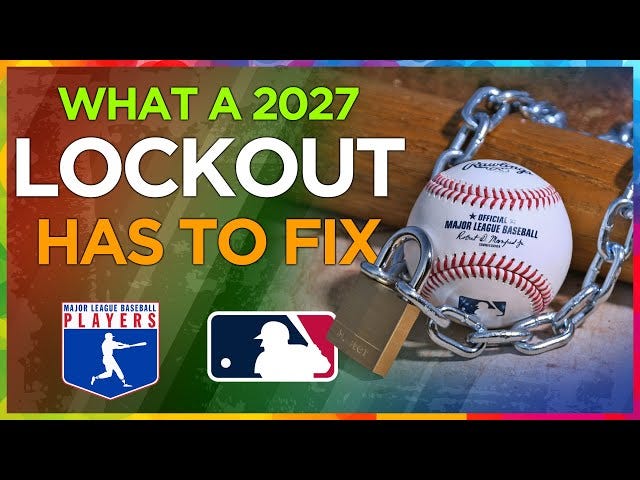
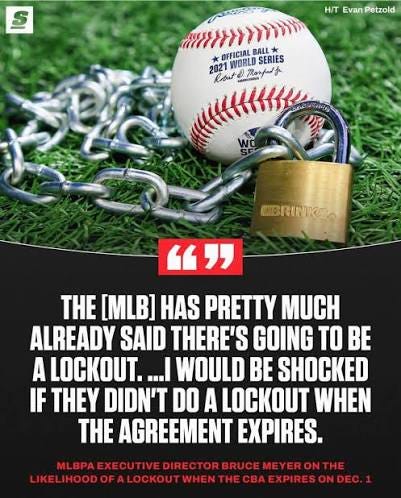
Unfortunately, the excitement comes with a shadow. The collective bargaining agreement expires Dec. 1, and another owner-imposed lockout is widely expected without a deal.
The sides are meeting, but recent discussions have concentrated largely on secondary matters rather than the central economic fight. Fans watching meaningful September baseball must also contemplate another winter dominated by lawyers, public-relations campaigns and threats to next season.
The owners have made a hard salary cap the centerpiece of their position for the first time since the labor battle that wiped out the 1994 World Series. Their proposal calls for a $245.3 million cap, a $171.2 million floor, a 50-50 division of defined baseball revenue and equal sharing of local media revenue. MLB says that system would force 12 clubs to raise payroll while requiring eight to cut it, creating a narrower spending range.
That sales pitch sounds tidy, but fans should be skeptical. Owners present salary restraints as competitive balance, although the obvious result is greater cost certainty and protected profit margins.
While a cap tells ambitious teams when to stop paying players. It won’t make reluctant owners smarter, accountable or interested in winning. Baseball’s problems also come from clubs collecting shared money while treating competitiveness as optional.
The players have offered a better starting point. Their proposal would increase the sharing of local television money, establish a competitive integrity tax for teams that remain below a payroll benchmark, raise the luxury-tax threshold and nearly double the major-league minimum salary. That approach recognizes that high-revenue clubs have advantages, but low-spending owners should not be permitted to pocket baseball’s collective wealth without making a credible investment in the roster.
There is a foundation for compromise. Both sides have proposed broader sharing of local media revenue, although they differ over its structure and whether it must be tied to a cap.
MLB wants local media money distributed equally. The union proposed pooling the first $50 million from each club and two-thirds of the amount above it. If owners care about parity, that common ground should anchor negotiations rather than serve as bait attached to a hard cap.
The owners need to make a serious offer that expands genuine revenue sharing with players and among clubs without using the cap as the price of admission. Calling it profit sharing is understandable, but revenue sharing is the safer standard because accounting choices can make profits disappear on paper.
Open the books to meaningful independent review, define baseball-related revenue broadly, guarantee players a fair share of growth and require every team receiving shared funds to spend enough to compete. That would align the people who play the game, operate the teams and support the sport.
Recent league proposals have gone in the opposite direction by making other potential concessions contingent on accepting a cap. MLB has floated limits on most free-agent contracts and an offseason calendar with restricted signing windows and a transaction freeze from Dec. 21 until early February. Those ideas would reduce player leverage while allowing owners to market an artificial burst of winter activity as entertainment.
Here’s the thing, folks: Fans do not spend six months following teams to watch billionaires win an accounting argument. They want the tension of a runner taking an extra base, a rookie delivering under pressure and a closer protecting a one-run lead. The final 10 games should be a runway into October, not a reminder that the people controlling the business may soon lock the gates.
With that . . . Baseball has momentum, drama and a postseason race capable of owning the national conversation. The owners should stop treating that loyalty as leverage. Share more of the game’s wealth, demand that every club invest in winning, respect the players who create the product and negotiate before another winter hardens everyone’s position. The home stretch ought to decide champions, not begin a countdown toward baseball’s next avoidable shutdown.
When you’re not on one side of the table, all you can do is watch and give an opinion!
Please visit Binary News where we post regular opinion pieces about including but not limited to business, politics, sports, and technology.