

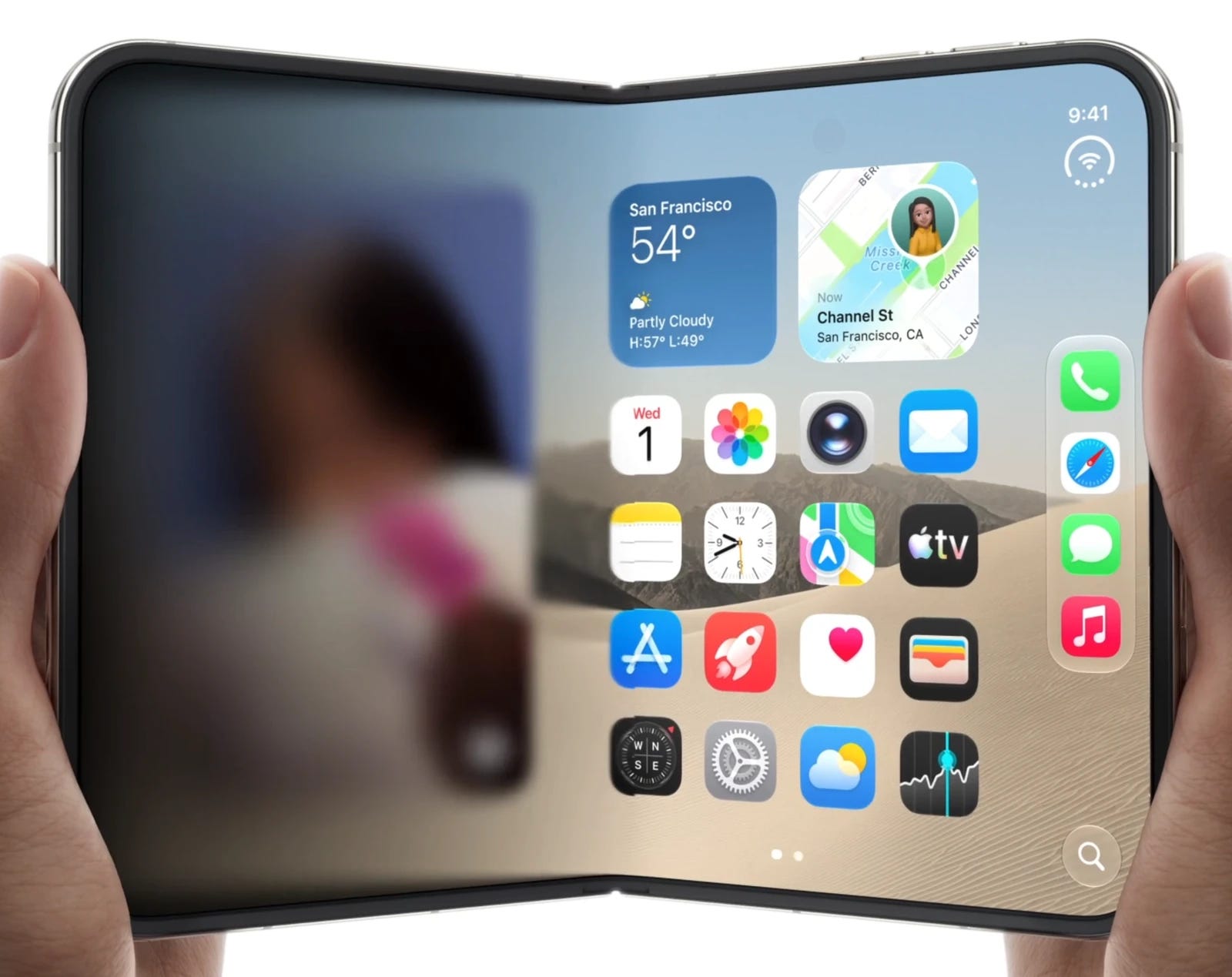
The iPhone Duo hardware looks great. Apple’s first foldable iPhone has the polished industrial design, thin profile, precision hinge, and large inner display we would expect from a company that waited this long to enter the category. But for some Apple users—particularly those of us who care deeply about UI and UX—the software side of the Duo may be more interesting than the hardware.
How iOS moves between two displays, reorganizes controls, handles multitasking, and accommodates third-party applications will ultimately determine whether the Duo feels transformative or merely different. And to be clear, this is not a review. I have not had any hands-on time with an iPhone Duo, so these are observations about Apple’s announcement, not conclusions about the finished experience.
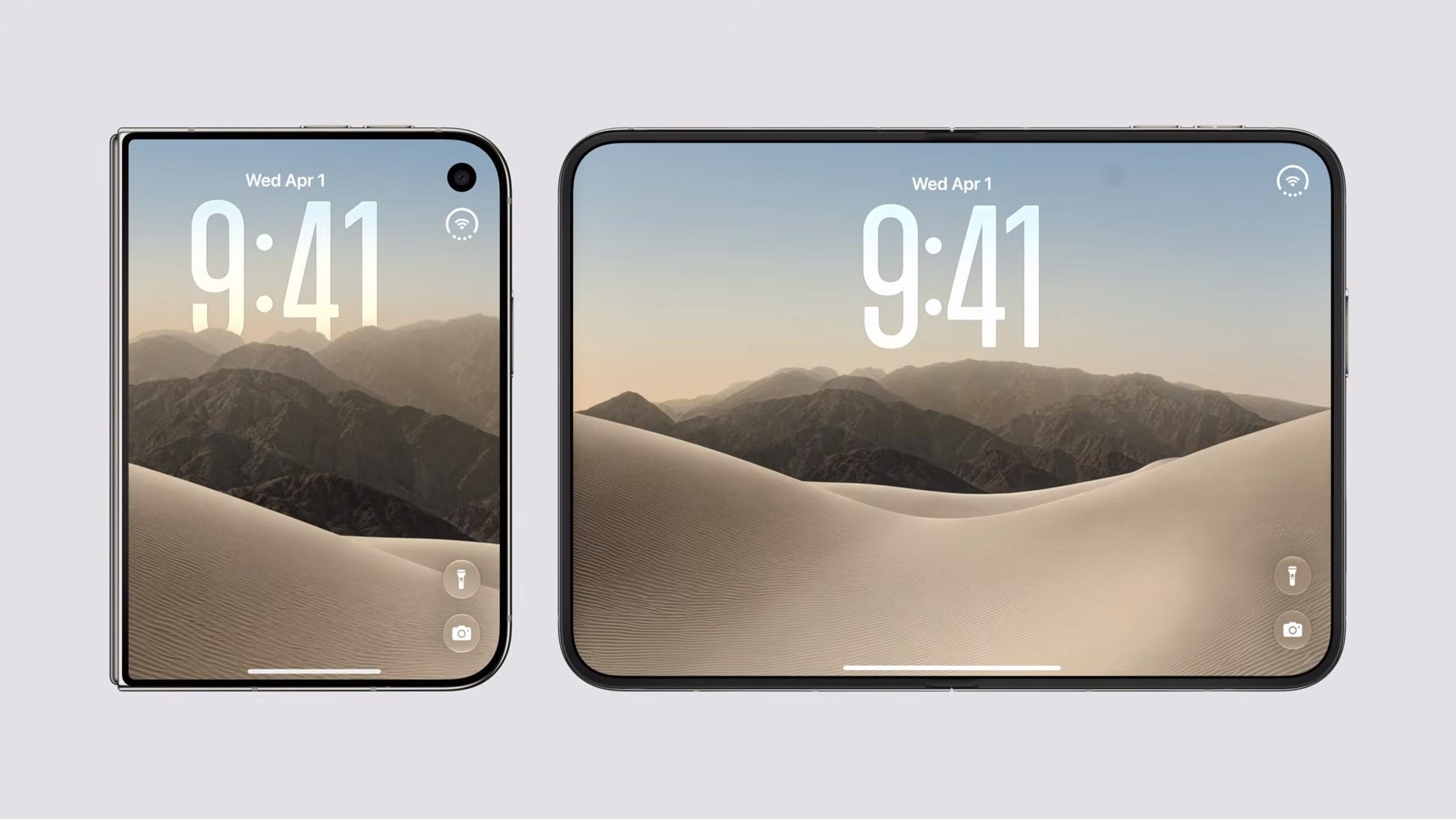
Apple announced the Duo on September 9 as its first foldable iPhone. When opened, it provides a 7.6-inch inner display designed for content, gaming, and multitasking; when closed, it offers a smaller 5.4-inch outer display.
Apple says the matching aspect ratios allow content to scale proportionally as users move between the two screens, giving the experience a sense of visual continuity. The company also redesigned parts of iOS 27 for the new format, including application layouts, navigation controls, the Dynamic Island, and Split View multitasking.
That is exactly where the Duo becomes interesting from a UI and UX perspective. Foldable hardware creates possibilities, but software determines whether those possibilities are useful. Opening two applications side by side sounds productive, but it must feel faster and more intuitive than switching between them.
Moving an application from one display to another sounds seamless, but only if its position, content, and context remain intact. Apple’s challenge is not simply producing a screen that folds. It must make the operating system behave as though the iPhone was always meant to fold.
The software conversation became even more significant because Apple repeatedly connected the Duo experience to Apple Intelligence and Siri AI during its September 9 announcement. Apple presented Siri AI as a more personal and conversational assistant capable of drawing from messages, emails, photos, onscreen content, and broader knowledge.
On the Duo’s inner display, users can keep Siri AI visible on one side while viewing or working with content on the other. Apple also highlighted AI-assisted photography, webpage monitoring in Safari, and actions that use personal context to help users find information or complete tasks.
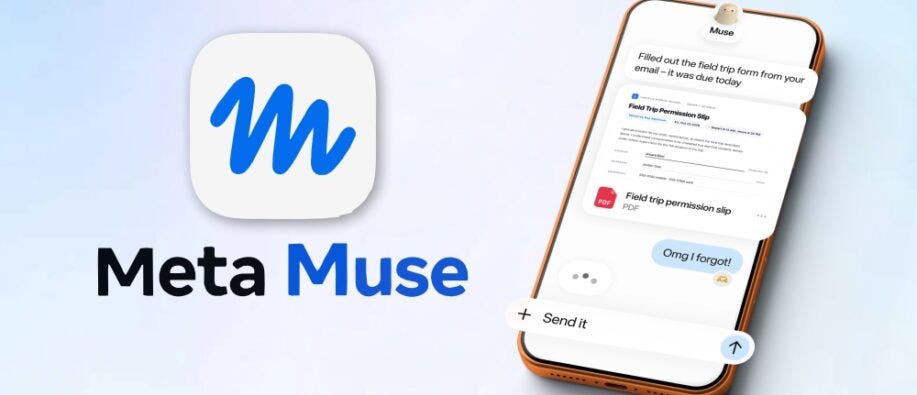
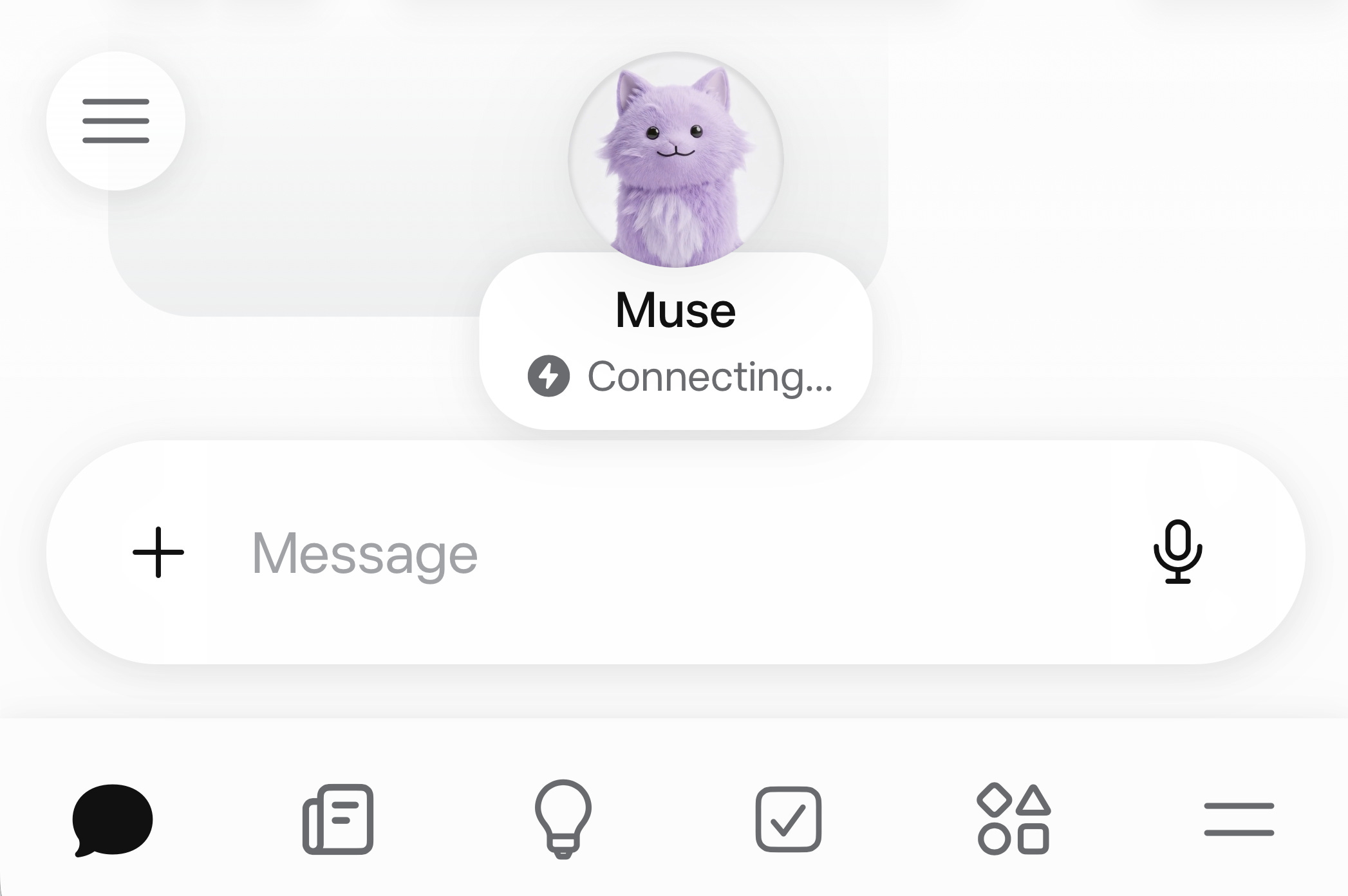
But Facebook parent Meta made sure Apple would not own that conversation. Meta announced Muse on September 8—exactly one day before Apple introduced the iPhone Duo and placed Apple Intelligence near the center of its presentation. Muse is a personal AI agent designed to do more than answer questions.
Meta says it can send emails, book travel, fill out forms, organize projects, make purchases, and continue working after a user closes the application. It can also return when circumstances change or when it needs approval before taking a sensitive action.
It is difficult to view that timing as accidental. There is no public confirmation that Meta chose September 8 specifically to interfere with Apple’s news cycle, so this remains an interpretation rather than a documented fact. Still, major technology companies understand how announcement timing shapes coverage.
Meta knew Apple’s September event was coming, knew artificial intelligence would be part of Apple’s message, and introduced its most ambitious personal AI product one day earlier. That decision ensured Muse would become part of the discussion before Apple could present Siri AI and Apple Intelligence as the next major evolution of personal computing.
The timing was especially pointed because Apple is late to both the foldable-phone and artificial-intelligence parties. Other manufacturers had been selling foldable phones for years before Apple introduced the Duo, leaving Apple to argue that arriving later allowed it to create a more polished combination of hardware and software.
Apple faces a similar problem with AI. Chatbots, generative tools, multimodal assistants, and autonomous agents have already changed what users expect from software. Apple is no longer introducing artificial intelligence to the public. It is trying to convince people that its particular implementation is more personal, integrated, useful, and trustworthy.
Meta’s Muse announcement challenged that message at exactly the right moment. Apple wants Siri AI to become the intelligent layer connecting users with their messages, applications, photographs, documents, and onscreen activity.
Muse is aiming for a remarkably similar position, but Meta is describing it as an agent that can move beyond conversation and independently work toward a user’s goals. Rather than simply finding an email about a trip, Muse wants to help plan and book the trip. Rather than merely reminding someone about a task, it wants to advance the project and return when it needs a decision.
That makes Muse one of the main competitors to Apple Intelligence, even if the two products are built around different ecosystems. Apple’s advantage is vertical integration. It controls the iPhone, iOS, its processors, many of the core applications, and the frameworks developers use to build software for its devices.
Siri AI can therefore become part of the operating system instead of feeling like another application installed on top of it. The Duo strengthens that argument by giving Apple a larger, more flexible canvas on which Siri can remain visible while users work in another application.
Meta’s potential advantage is reach. Muse is not tied exclusively to one piece of hardware and is designed to operate across connected applications and services. Meta says users can communicate with Muse through its dedicated application or WhatsApp, while its secure virtual environment allows the agent to browse the web and perform tasks on their behalf. The company also says users can decide which services Muse accesses and whether it receives permission to read information or take action.
Privacy will be central to this competition. Apple emphasized that Apple Intelligence combines on-device processing with Private Cloud Compute, reinforcing the privacy argument that has become one of its most dependable selling points.
Meta, meanwhile, says Muse operates inside a dedicated Muse Secure VM, uses a separate Sentinel system to review its external actions, hides passwords and payment details from the agent, and asks for permission before sending emails or completing purchases. Those protections are important because an AI agent becomes more useful—and potentially more intrusive—as users grant it greater access.
The iPhone Duo may be Apple’s most visually exciting hardware announcement in years, but the more important competition could be happening behind those folding displays. Apple used its September 9 presentation to show how Apple Intelligence and Siri AI could turn the Duo into what it calls an intelligent personal hub. Meta used September 8 to make sure Muse was already standing in its way.
Here’s the thing, folks: Apple may once again prove that arriving late does not prevent it from delivering a better experience. But this time, it is trying to catch up in two major categories simultaneously.
With that . . . The Duo must demonstrate that Apple can improve the foldable phone, while Apple Intelligence must demonstrate that Siri can compete with agents designed to perform real work. Meta’s carefully timed Muse announcement made one thing clear, Apple will not get to define the personal-AI era by itself.
If you cannot own the AI race, then make the phone that gives it purpose.
Please visit Binary News where we post regular opinion pieces about including but not limited to business, politics, sports, and technology.